
The Ultimate Gap Year Packing List (2026 Edition)
 By Olivia10 min read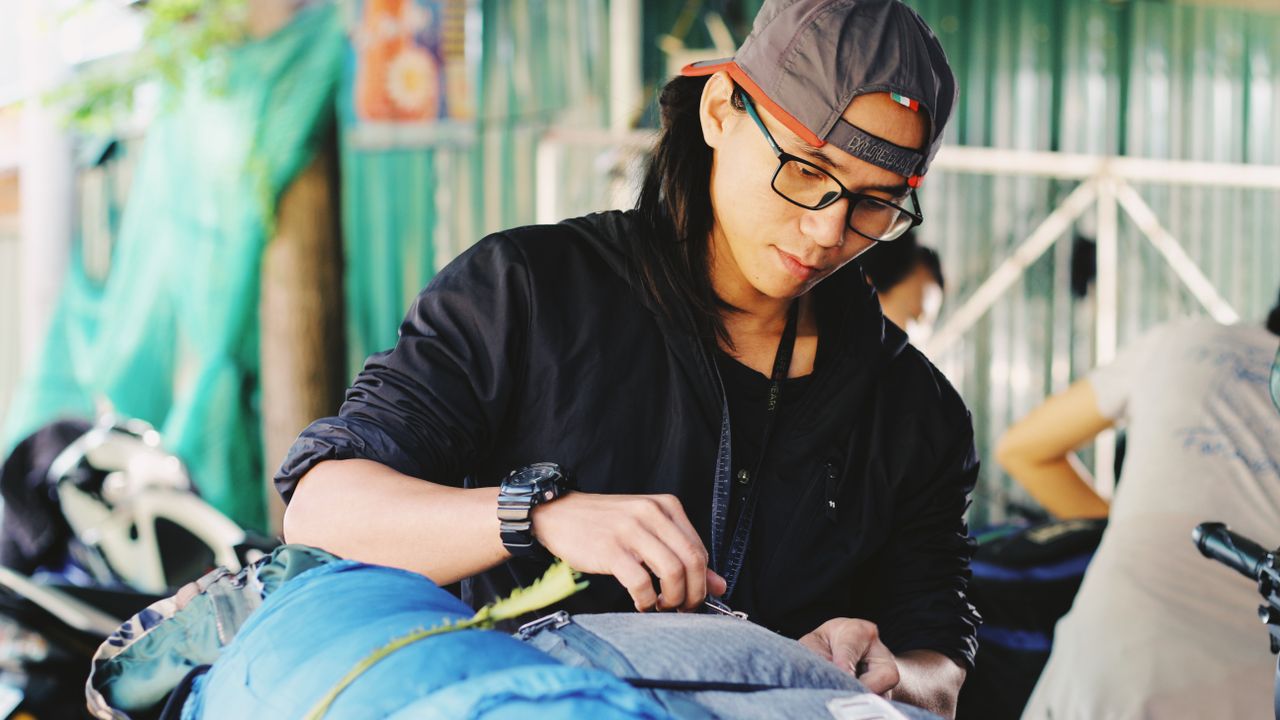
Overpacking is the single most common mistake gap year travellers make. Under-packing is the second. This list solves both.
It is designed for a traveller heading abroad for six to twelve months across mixed climates and mixed activities: some hostel-hopping, a bit of hiking, maybe a working stint, maybe some volunteering. If your trip is more specialised (skiing in Canada, teaching in Vietnam), scale accordingly.
Rule of thumb: everything you own for a year should fit in one 45-to-55-litre rucksack and one small daypack. If it does not, cut things until it does.
The bag itself
Do this bit right; the rest gets easier.
- Main rucksack, 45-55 litres — front-loading, not top-loading. Osprey Farpoint 55 or Fairview 55 are the community favourites for a reason.
- Daypack, 20-25 litres — light, packable, doubles as your hand luggage and day walking bag.
- Packing cubes, 4-6 — genuinely transformative. One for tops, one for bottoms, one for underwear, one for electronics.
- Dry bag, 10 litres — for beach days, boat transfers and unexpected downpours.
Documents (the "do not lose these" pile)
- Passport with at least 12 months' validity from planned return
- Two photocopies of the photo page, stored separately from the passport
- Printed and digital copies of your insurance certificate
- Vaccination certificate (yellow fever card if travelling to relevant regions)
- Credit and debit cards — at least two providers, ideally including Monzo or Starling for fee-free spending
- Small amount of USD or EUR cash for arrival emergencies
- Copies of visas and any pre-booked accommodation
- Emergency contacts written on paper, not just in your phone
Store scans in your email, in a password manager and with one parent at home.
Clothing
Aim for 7 to 10 days of clothes total. You will do laundry every week or two.
Tops
- 5 t-shirts (mix cotton and merino)
- 1 long-sleeve t-shirt
- 1 lightweight shirt (button-up, doubles for evenings out and sun cover)
- 1 fleece or lightweight jumper
- 1 warm mid-layer (fleece or synthetic) if you are visiting anywhere cold
Bottoms
- 2 pairs of shorts
- 2 pairs of trousers (one lightweight, one comfortable for flights)
- 1 pair of leggings or joggers for travel days
- Swimwear
- 7 pairs of underwear, 5 pairs of socks (add 2 pairs merino hiking socks if you are trekking)
Outerwear
- 1 lightweight waterproof jacket
- 1 warm jacket only if your route needs it — otherwise buy on arrival
Shoes
- 1 pair of trainers you can walk 20km in
- 1 pair of flip-flops or sport sandals
- Hiking boots only if you are genuinely hiking; otherwise trainers are fine
Extras
- 1 nice-ish outfit for restaurants, temples, family visits
- Sarong or lightweight scarf (towel, beach cover, temple cover, blanket)
Toiletries
Travel-sized. Refill on the road; toiletries are almost always cheaper once you land.
- Toothbrush and toothpaste
- Shampoo bar (survives airport security, no leaks)
- Bar soap
- Deodorant
- Razor and blades
- Small first aid kit (plasters, paracetamol, ibuprofen, antihistamines, Imodium, rehydration sachets, antiseptic wipes)
- Any prescription medication with a doctor's letter
- Contraception
- Sun cream (buy locally — SPF 30-plus)
- Insect repellent with 30-50 per cent DEET for tropical routes
- Nail clippers, tweezers, small mirror
Electronics
- Phone with a solid case and unlocked for local SIMs
- Laptop or tablet, only if you actually need it (working, studying, blogging)
- E-reader for the flight and quiet evenings
- Universal travel adapter
- Two chargers for phone, one for laptop
- Small power bank (10,000mAh)
- Cheap headphones for long journeys
- Camera only if you will actually use it beyond your phone
Back up your photos weekly to Google Photos or iCloud.
Sleep and hostel life
- Silk sleep liner (lighter than a sleeping bag; useful in dodgy hostels and on overnight buses)
- Padlock for hostel lockers
- Eye mask and earplugs (non-negotiable for hostel sleep)
- Small microfibre travel towel
- Reusable water bottle with filter (LifeStraw Go, Water-to-Go)
Bits that quietly make the trip
- Small notebook and pen (for tickets, journals, plans)
- Deck of cards (makes friends in hostels)
- A couple of sweets or snacks from home to give as small gifts
- Zip-lock bags — dozens of uses
- Duct tape wrapped around a pen (repairs almost anything)
- Ziplock of paperclips, safety pins, a needle and thread
What to leave at home
Almost every gap year traveller admits to bringing at least half of these and never using them.
- Sleeping bag (silk liner is enough for hostels)
- Full-size towel
- Formal shoes
- Denim jeans (heavy, slow to dry, cotton kills you in the tropics)
- More than three books
- Every gadget you own
- Hair straighteners
- Multiple types of currency you have not researched
- Ambitious hiking gear if you are not actually hiking
Region-specific add-ons
- Southeast Asia — long-sleeve shirt for temples, mosquito net if you are heading rural, dry bag
- Australia and New Zealand — proper walking shoes, high-SPF sun cream, warm layers for winter in the south
- South America — Spanish phrasebook, higher-altitude sun protection, warm layer for the Andes
- Europe — smart-ish trainers, one nicer outfit, adaptor for the country you visit most
The night-before check
Lay everything out on your bed. Take a photo. Then remove three items you doubt you will use and put them back in the wardrobe.
You have never once regretted leaving something at home. You have often regretted lugging around clothes you did not wear.
Zip up, weigh the bag (aim for under 12kg), and go.
Related articles
Top Volunteering Opportunities for Gap Year Travellers
Discover enriching things to do in a gap year with top volunteering opportunities abroad — combining adventure travel, cultural immersion and meaningful work.

How a Gap Year Affects Your UCAS and University Application
Deferred entry, personal statements, admissions tutor views and the real impact of a gap year on your university application — with practical steps.
Solo Female Travel Safety: A Practical Guide
A no-nonsense guide to solo female travel safety — choosing destinations, vetting accommodation, navigating transport, and the apps and check-in routines that actually help.